



I think I’ve got a real problem - I can’t stop finding new uses for FUEL. When I wrote about the benefits of pushing FUEL past the point of good taste recently, I mentioned that switching its compressor to OTT is usually the secret to unlocking its nastiest tones. I promised I’d write again with some of my favorite uses of OTT madness, and I’m here to deliver with one of my favorites: parallel OTT on vocals.
In a lot of mixes, I’ll have one or two parallel compression buses for the vocals. They’ll typically be set up with one to add thickness and weight, another to add brilliance and sparkle. It turns out FUEL in OTT is really good for both of these, and can handle it all on one effects return.
Let’s do some quick parallel processing housekeeping, just to get everyone on the same page, eh? Set up an effects aux and put FUEL on that thing. Use the send outputs of your vocal tracks to route signal in parallel to this bus. You’re going to leave FUEL 100% wet, and control the blend with the fader on the return track. Got it? Ok, let’s move on.
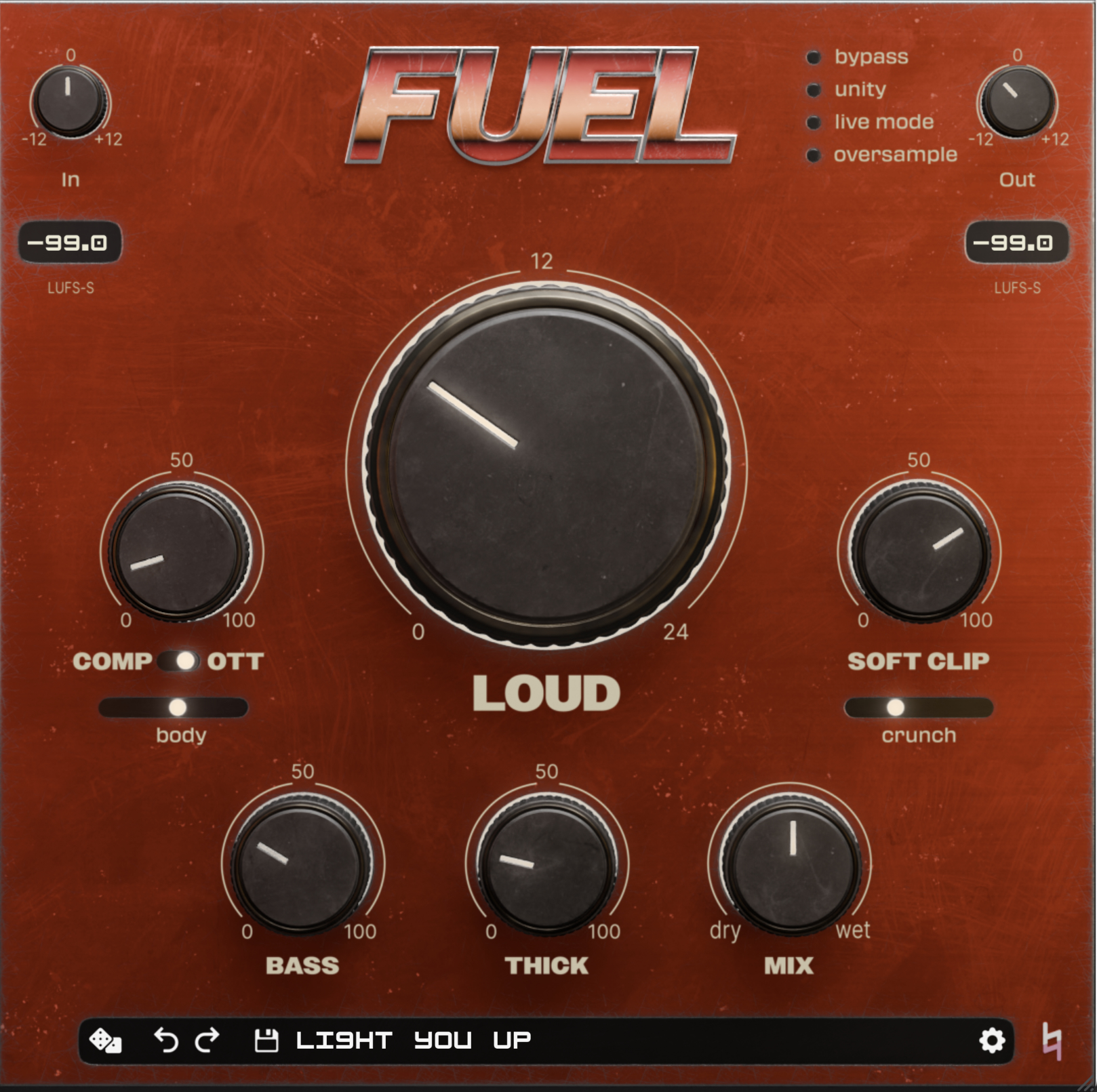
Switch the compressor to OTT and crank that baby up. Bring up body as well. Don’t be afraid to go pretty hard here - it’s supposed to sound nasty.
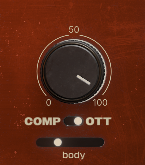
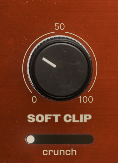
Dialing up the SOFT CLIP really accentuates this effect - I’d crank that as well. Crunch is a bit more specific of a sound here - you may like it, you may not. You’ll know pretty quickly which it is once you play with it.
At this point, if you solo that aux track, you’ll hear your vocals sound pretty mangled. That’s what we’re after! The sound will be pretty upper-midrange- and high-frequency-forward in a way that sounds harsh on its own. Dial it back! I usually pull a bus like this down by 15-20 dB, maybe more. Toggle it off and on and you’ll hear the way it adds bite and sparkle to the vocal, and puts them right on top of the mix.
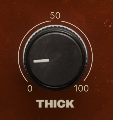
If you want to add a bit of weight and body alongside that sparkle, then crank up THICK as well. Thick adds broad-spectrum midrange saturation, and it also adds width. For a stereo vocal mix with multiple layers, this can be a good thing, though double check that it isn’t messing with the balance of centered vs. panned vocal tracks.
You can probably leave BASS and LOUD at zero here. BASS generally isn't doing anything we need on vocals, and the rest of our processing is already making things plenty loud.
One more pro tip here is that OTT can bring out sibilance in a vocal. If that’s the case, try putting a de-esser after FUEL on the return aux.
I've been doing this on all my vocal mixes and find that this use of FUEL and OTT not only gives vocals sparkle and polish, but helps them cut through a dense mix no matter what else is going on. The trick is to make the return sound almost offensively nasty on its own, then bring it down until you can barely hear what it's doing. You might be surprised how much you miss it when it's gone.