


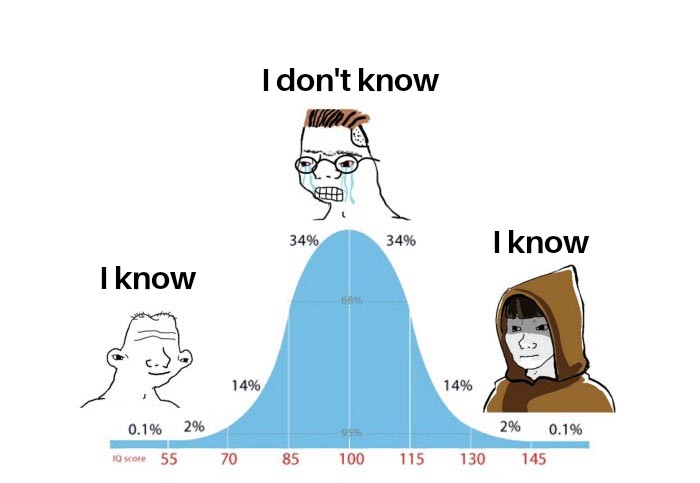
If you are watching tons of social media content about a "big fight" audio topic (24-bit dithering, bit depth, sample rate, etc.) that's because it doesn't matter. If the who's who of producers, mixers, and engineers can't agree on something being "higher quality," it's because they can't on average hear much of a difference! Taste aside, if something sounds a lot better or makes a perceivable difference, it's clear enough when you listen.
When we reach the point of a social explosion, it is something that has become a technical, theoretical sticking point rather than a helpful debate. It's a religion, divorced from the sound, and often fraught with the Dunning-Kruger effect when it veers into technical details, especially DSP. I always do my best to dispell this stuff, so I still participate, but you'd do well enough to ignore the argument entirely. Besides your curiosity, which I fully support, the information I'm sharing in these particular cases is about dispelling misinformation, which in and of itself does not make you a better engineer or mixer unless it convinces you to care a lot more about what you hear than what somebody else tells you is important.
If these people in the inner circles can't come to any sort of agreement on what sounds better, do you think your listeners will care, even in the slightest? The more noise there is about something, the less you should listen.


Mixing & Mastering
Monitoring the Midrange
Think of a song that you think sounds great. Maybe you love it, maybe you hate it, doesn’t matter - just think of a song that sounds like a million bucks. Play it on your phone and have a listen.

Mixing & Mastering
When Do You Really Need a Multipressor When Mastering?
Multiband dynamics processing can be a great “break glass in case of emergency” kind of tool when working on a master, especially when revisiting the mix simply isn’t an option. The key is that – *ahem* – responsible multiband compression use tends to be intentional and specific, rather than automatic or global.