



A common misconception I hear about Yamaha NS-10s by people is that you have to get them because they are legendary, studio-grade pristine monitors. If you think I’m strawmanning here and nobody actually says this, reconsider. Even the modern Yamaha HS series mimics its design and markets exactly this way (as of the time of this posting):
“Ever since the 1970's the iconic white woofer and signature sound of Yamaha's nearfield reference monitors have become a genuine industry standard for a reason - their accuracy. Unlike studio monitors with added bass or treble frequencies which may sound more flattering at first, HS Series speakers were designed to give you the most honest, precise reference possible…”
Any engineer worth their salt will tell you this is a shameless misrepresentation. The speaker was loved for its uncanny ability to sound bad. That’s not fair. It’s because their inaccuracy revealed problems in your mix a real listener might hate. The real reason they are popular is that they’re useful as a translation of your mix onto the average consumer’s system. But this disconnect is pointing at the common fallacy I’d like to talk about today: As far back as I can remember in music marketing, the popularity of a piece of gear because of its usefulness is manipulated through marketing and gossip into being about its sonic perfectness. This is not to say that older or analog gear is bad given today’s standards, just that the subtle, tiny uniqueness you can measure is not necessarily the key to its success or even its vibe. People new to the art are taught that the closer something sounds to an original unit, the more likely it will make their music “sound better.” Will it?
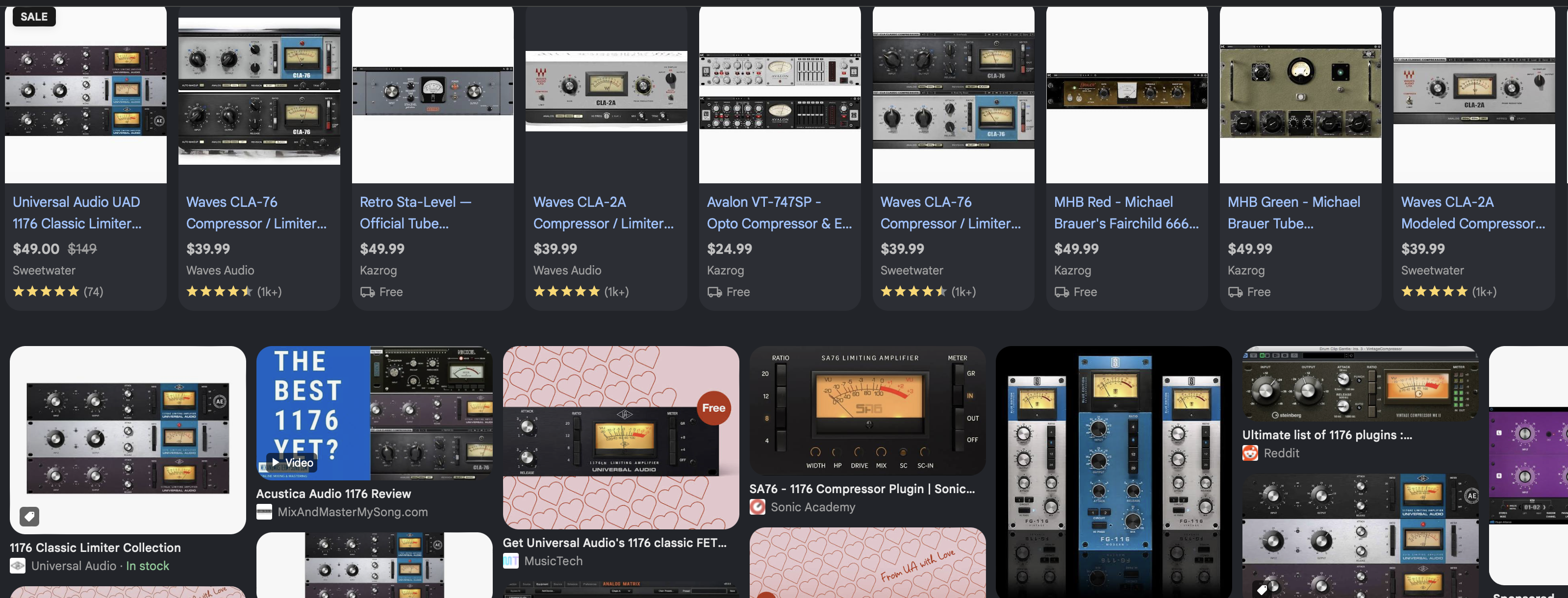
Here’s a thought: Dark Side of the Moon and Abbey Road were mixed on an EMI TG 12345. The console was made to sound good for the time, sure, but its major innovations were mostly ergonomic: a compressor and limiter on each strip, more channels, etc. So, when something more useful came along, out it went. It was donated and left to rot by the very studio and engineers that commissioned it until it was restored and sold. Abbey Road didn’t want it anymore. But now, for less than $50, you can buy a Waves, SoftTube, and Shatteredglass version. Why? Does anybody buy it regardless of its use on these albums? Maybe that’s a bad example. Other gear, like Neve channel strips, 1176 and LA2A compressors, and Pultec EQ’s have dozens of versions out there, way more than a handful. So what makes one of these pieces of gear more popular and copied, and another not so much?
Ergonomics.
Over time, like any tool, some of them get more popular than others because they are useful and sound good in certain contexts, and some of them fall by the wayside. It doesn’t have to start out as high class or important (hello 808). Let’s use compression as an example: most mixers use the same compressors for the same reasons, because they solve specific problems or move the sound in a direction they like. How about an LA-2A for smooth vocals? Does that mean that this piece of gear is the absolute best ever tool for that job, the apex for the task? That a hardware unit with this specific circuit cannot be beat for the task or vibe? No! It means that over the years, it was standardized for a particular use because it was a good fit. There’s the most knowledge out there on how to use that design, the advice was passed down practically from engineer to engineer, and the unit’s pros and cons are most intimately known from a working perspective by a lot of engineers that can share their wisdom as mentors.
While this gear truly is good, it does not mean nothing can or will ever surpass it, and it does not mean that the precision of emulation is the only key to getting “the sound.” Hell, each unit, especially the older ones, sounds slightly different. At what point did the accuracy of emulation surpass the unit variance? Has anybody, literally ever, measured this? No way! That would prove that you can’t actually buy a plugin that’s a perfect emulation of an LA2A, because the LA2A does not, in specific, exist! It would also mean that even if you bought an LA2A, it might not be the right specific unit. Hell, you know what, I bet you could use that to your advantage if you really want to go after people. Just start emulating specific LA2As and open the door for a million new products! Each one more specific, making your music more better!
A few months ago we talked with the legendary mixer Neal Pogue, who told us the last two Tyler, the Creator albums he mixed were in the box. The reason Tyler and Neal preferred digital? Leaks. That’s right, it had nothing to do with vibe or sound quality, and this is coming from a mixer who built his chops doing analog mixing every day, even hits like Waterfalls by TLC. In any case, he doesn’t bother comparing the workhorse SSL emulation plugin he uses to the board because that’s not the point. Making good music with good sonics is the point. It’s about his ability to control the sound with ergonomic tools he’s learned and gotten used to over a long career of mixing music at the highest level.
Returning to the main thesis here, why do so many companies work on emulating analog gear? Because when you ignore how the gear is used, it’s a proxy for quality. Rather than pushing the state of the art in audio in general, creating new frontiers or sounds, or questioning what advances we might be free of by no longer having to stick with causal, electrically constrained designs, people can just say: oh, these records were made with this piece of gear, so as long as we try to make our product sound as much as possible like this piece of gear, that means if you buy it you will make successful records. For the analog fans out there, advancements in electronics and circuit design also happen; that’s how this gear came about in the first place… it’s not like the first compressor ever was an 1176 or an LA2A. New people came up with new designs when new technology or techniques became available to (or were invented by) them! Artists used what they could when they were making records, and the highest-supported artists got whatever the newest gear was. That doesn’t mean it was or will be the best ever!
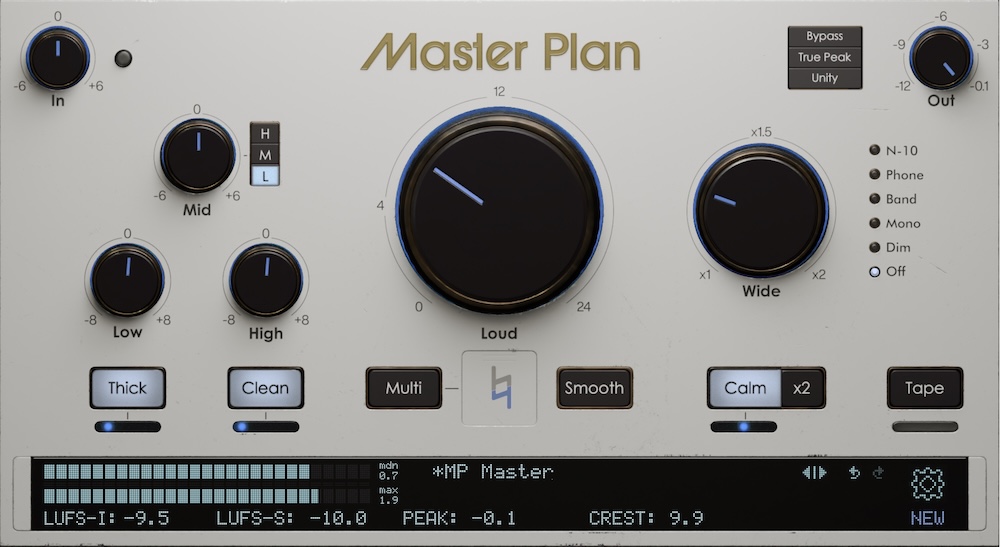
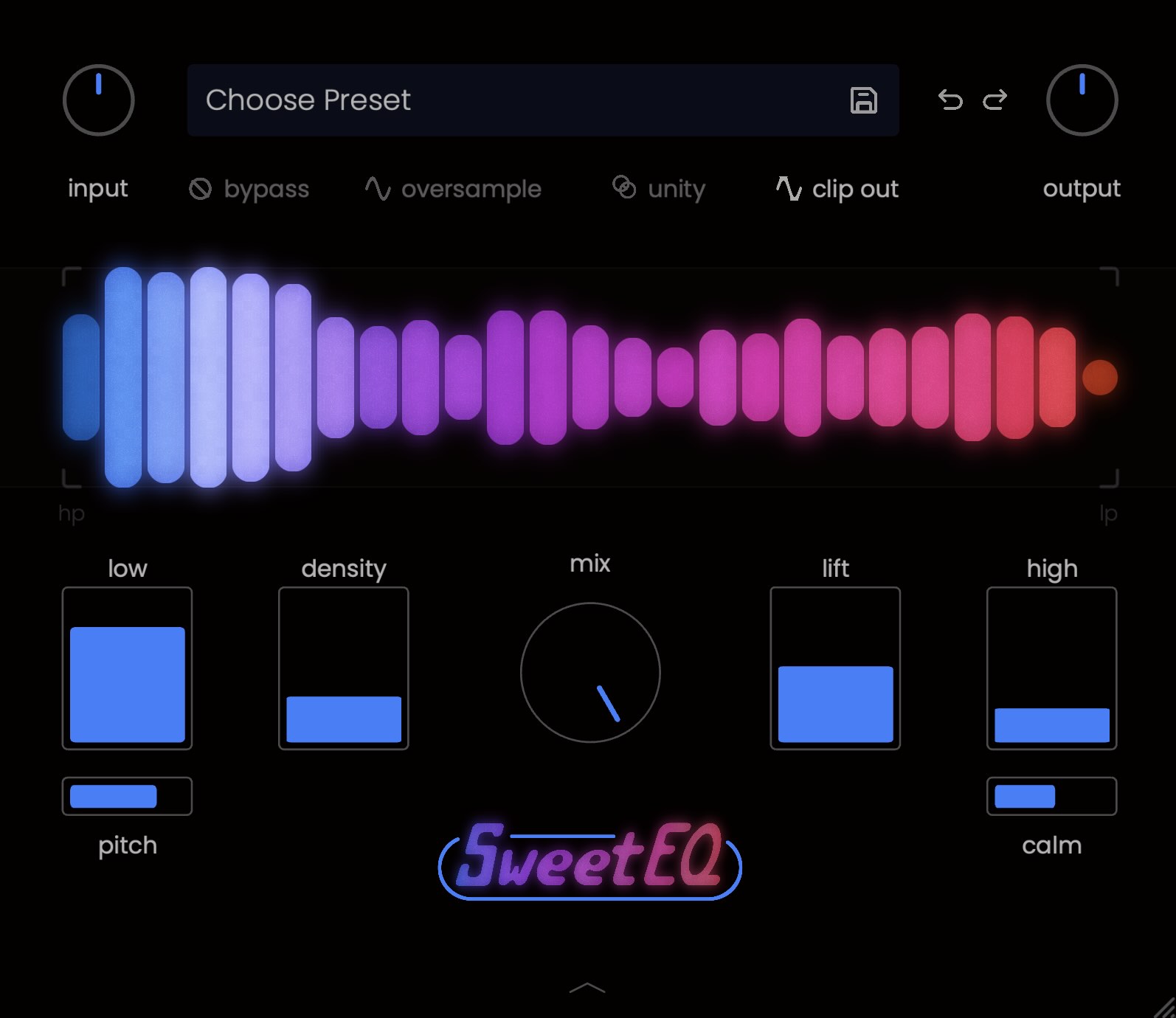
The major goal I have when making tools is different than emulating specific analog gear. I want to invent new and better ergonomics. I want to be unconstrained from causal, electrical designs from the past. I want my algorithms to shake free of the burden of emulating something else in order to be seen as worthy and good. If my plugins end up on your mix template, it should be because they actually help you. Does that mean I don’t take lessons from the past or studying how this gear works? Does that mean all of the sounds I develop are unlike everything on the market? Not at all… in a lot of cases, the task at hand demands a general sound we know we’re reaching for. It’s the specificity that drives me crazy here. And learning why engineers have reached over and over again for a piece of gear is the key to figuring out how to create something even more useful, even more expressive or more convenient, that can get more people to the results they want with less effort or esoteric knowledge. I want to make sure that when I send out a message with some tool I’ve made, that I’m talking about how it will really help you, specifically, rather than attaching myself to a legend from the past and calling it a day.





_and_Microphones_Abbey_Road_Studios.jpg)