



60-odd years ago, if an artist released both mono and stereo versions of their music, the mono version was usually the definitive one. There’s a reason original mono vinyl copies of Sgt. Pepper’s Lonely Hearts Club Band can sell for multiple times the price of their stereo counterparts - it’s the mix the band actually spent time on. See, back in the late ’60s, many listeners had not updated their home systems to stereo yet, and recording techniques were still very mono-oriented. Even on stereo releases, instruments like drums and piano were often still recorded to a single mono channel. Obviously, a lot has changed since then, but believe it or not, mono is still a thing.
Sure, artists are not releasing mono and stereo versions of their music like they were 60 years ago - you, reader, are almost certainly not preparing mono versions of your mixes. Stereo won. Stereophonic audio mirrors the way our ears work - left and right - creating soundscapes with richness and depth in a way mono just can’t. We like stereo. We like wide. But pesky mono refuses to totally go away.
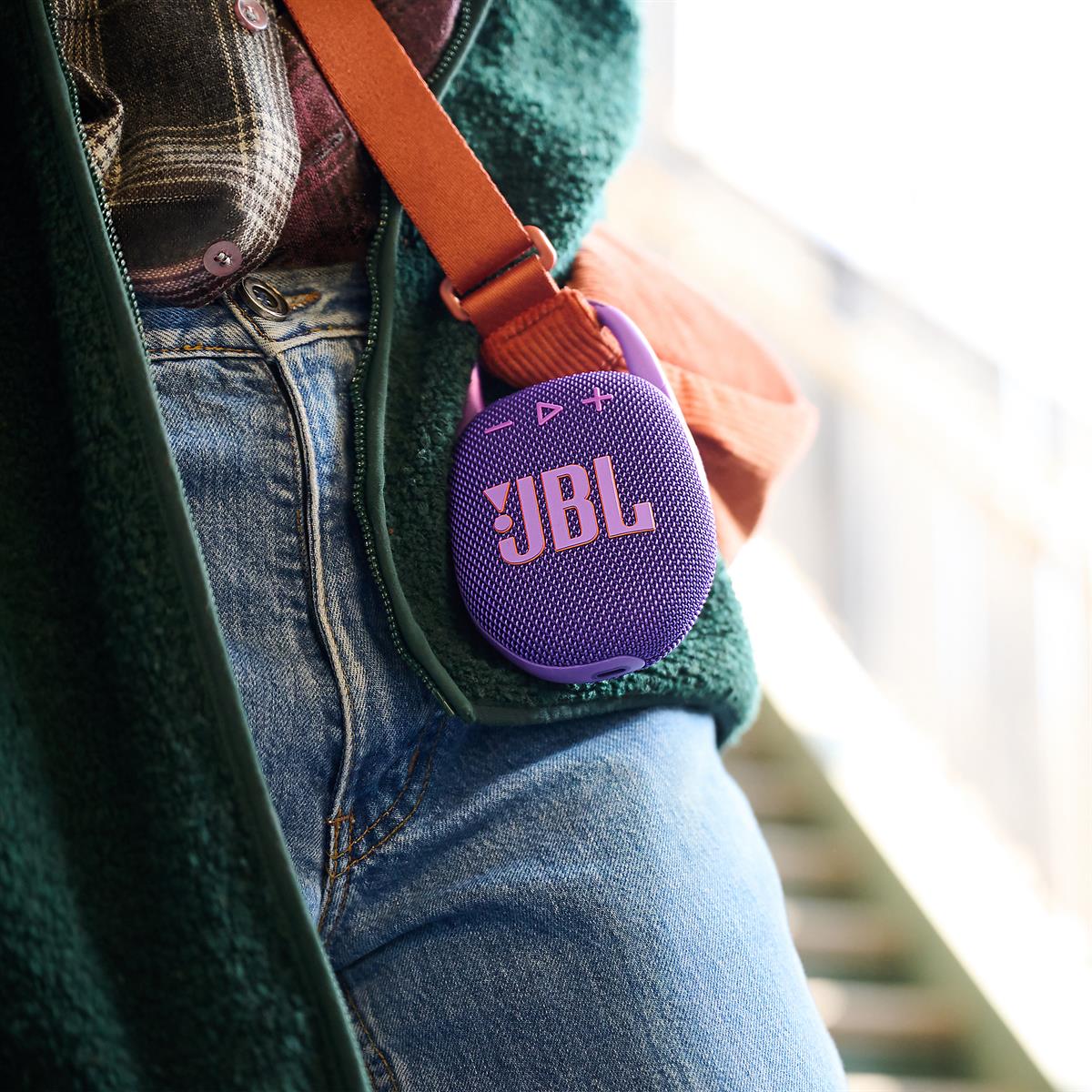
If you’re wondering what I’m talking about, here’s a reality check: we hear music played back in mono all the time. Bluetooth speakers are the big example - even many of the ones that are technically stereo have drivers so physically close together that the sound is nearer to mono than not, and many of the rest are literally mono. I'm sorry, but, were you under the impression that this thing was playing music in stereo?
Grocery stores, pharmacies, big box stores, some restaurants, waiting rooms, museum galleries… anywhere music is being played over a distributed ceiling speaker system, you’re probably hearing mono. Even some clubs and venues run sound in mono because the “sweet spot” for stereo is so small as to be meaningless.
Is a lightbulb going off as you read this? Are you remembering a mix that suddenly sounded completely different when you played it on your Bluetooth pill? Whole instruments disappeared? Don’t worry, we’ve all been there. Still, the reality is that in a lot of playback environments, a single audio channel just makes sense. People are not going to bask in immersive stereo sound at your noisy pool party or in line at CVS. So, like it or not, we’re stuck with mono.
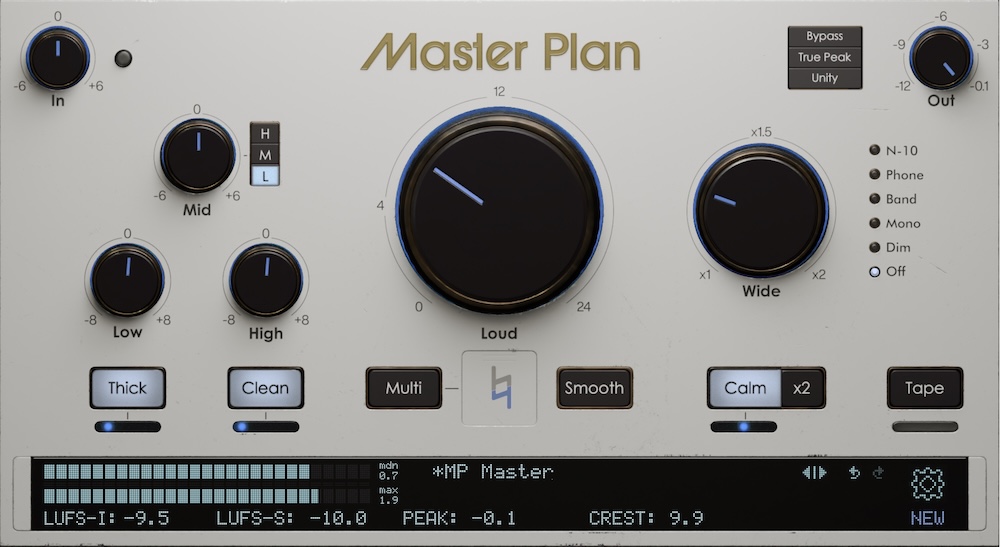
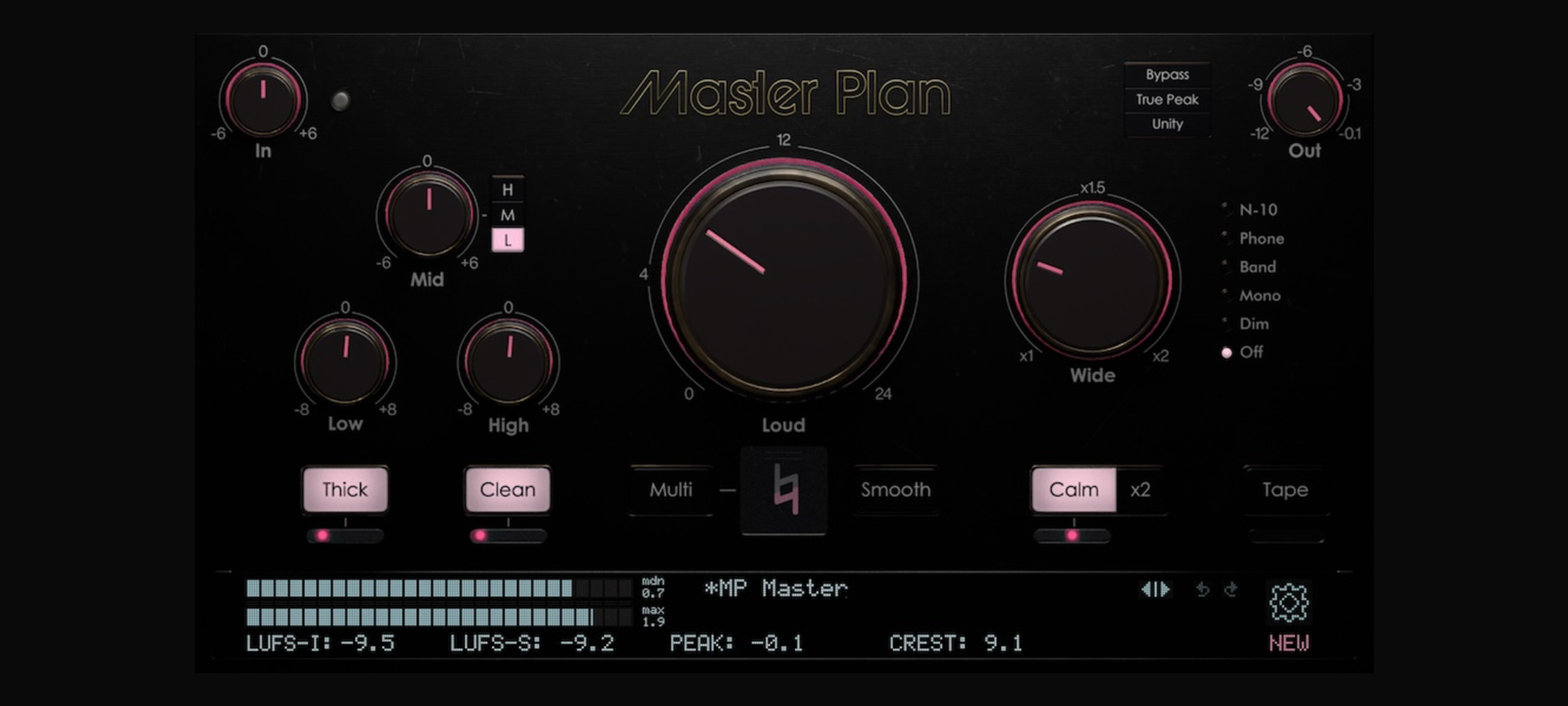
I know, but stereo sounds so much better! Wide mixes sound so much better! We love to put on headphones and space out to a panoramic stereo mix. Well, here’s some good news - not everything that sounds nice and wide in stereo has to suffer in mono. Case in point: the Wide knob on Master Plan. A lot of stereo imaging plugins create width in ways that hurt the mono fold-down. Master Plan’s widener won’t do you dirty like that. Dial it up to where the stereo field feels spacious and vibrant, then dial it back just a touch.
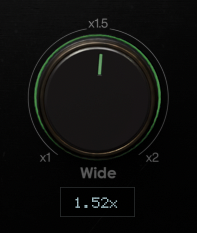
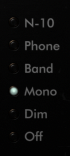
The only way you can push it too far is if you don’t like how it sounds - don’t sweat how it’ll translate to mono. It’ll be fine. If you're still worried, though, Master Plan lets you monitor in mono too. Don't take my word for it - space out that mix and then hear how cleanly it folds down:
All good? Thought so. And hey, maybe in a couple years we’ll all be grumbling about how our Atmos mixes sound bad folded down to stereo. Atmos is the future of the industry, you know.
Oh, what’s that? You don’t mix in Atmos? Or listen in Atmos either? Huh, what a coincidence. Me neither.