


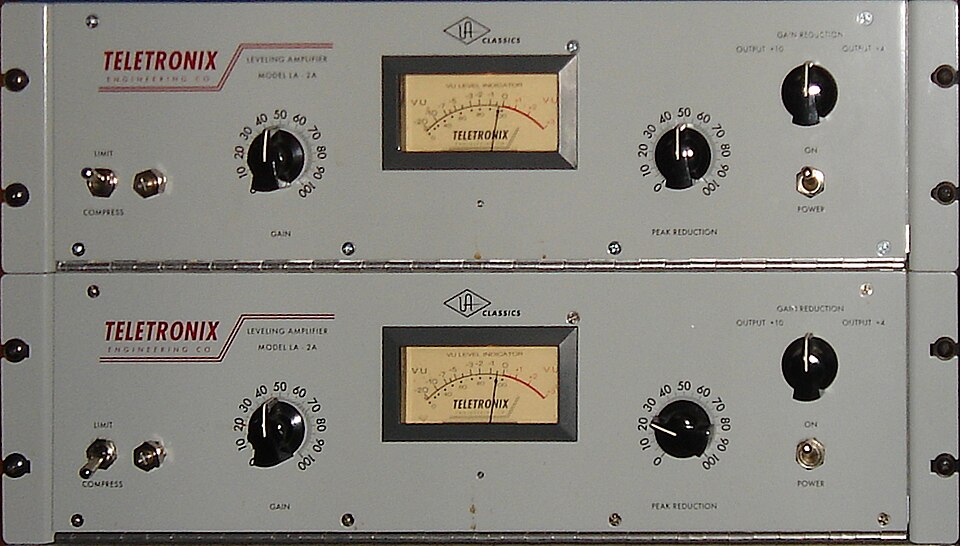
There are arguably few compressors - or even pieces of studio gear overall - as iconic as the Teletronix LA-2A. If you haven’t been in a studio with one, or worked with a software emulation, you’ve probably seen one lurking in the background of interview footage shot in a recording studio. These things are everywhere in the world of music and audio production. People quibble about one generation vs. another, the merits of various software versions, or the price point of the hardware, but I have never - and I mean neh-verr - heard somebody outright badmouth this compressor.
The reason why is pretty simple: they sound great. Do I need to explain that? No? Ok, great. Well, actually, let’s get into it just a little bit. First and foremost, the LA-2A is an unbeatable choice for vocal production. The way it controls dynamics is smooth, musical, and pretty perfectly suited to the contours of recorded vocals. The knee and envelope are fluid in a way that just works. Without knowing what you’re listening to, I can just about guarantee it is somewhere in the vocal chain of some of your favorite music. The LA-2A introduces the kind of “big warm hug” saturation that top-tier coveted vintage gear is known for. It’s great on bass and guitars - and synths, strings, wind instruments… I’m pretty sure there’s someone out there who will swear up and down, credibly, that it is great on just about any instrument you can name.
Ok, enough gushing about the way the LA-2A sounds, because that’s not what I want to talk about here. Want to know the other reason the 2A is so ubiquitous? Idiot-proof controls. Two knobs - peak reduction and make-up gain - and a switch for low and high ratios. You don’t need to understand what “knee” means to benefit from the 2A’s famously gentle knee. It has “program dependent” release behavior - quickly at first, then slowly - that keeps gain reduction musical, even if you, the user, can’t explain the difference between fast and slow release times. Nope - none of that nonsense to be found on the LA-2A’s front panel. Just: “how much compression?” and gain compensation. That’s it.
There’s something to be said for signal processors that limit your options, and instead sort of lead you down a decision tree: what do I want this thing to do? *Do that thing.* Do I like what I’m hearing? *Mm, not quite.* Tweak, refine, re-evaluate, etc.
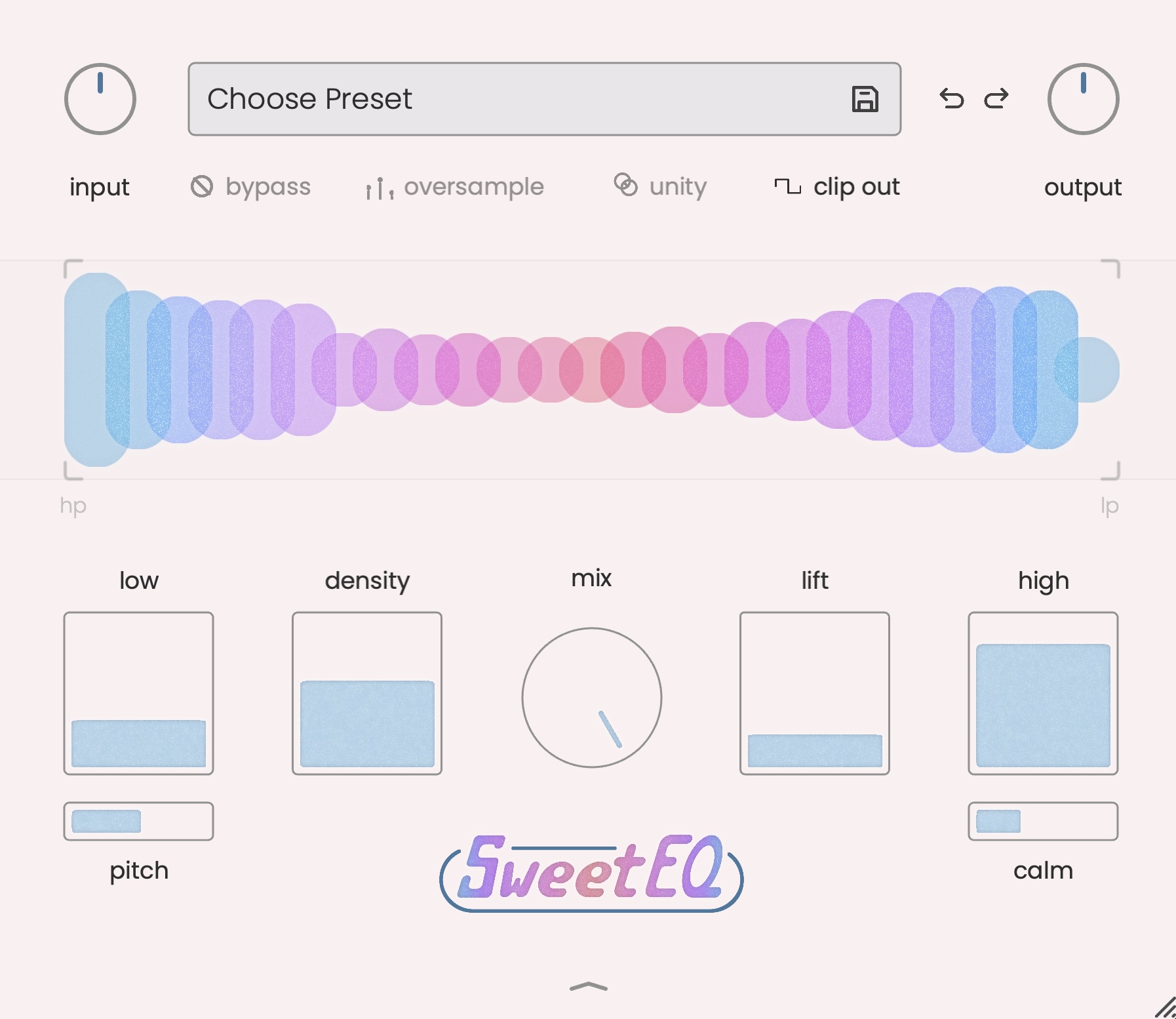
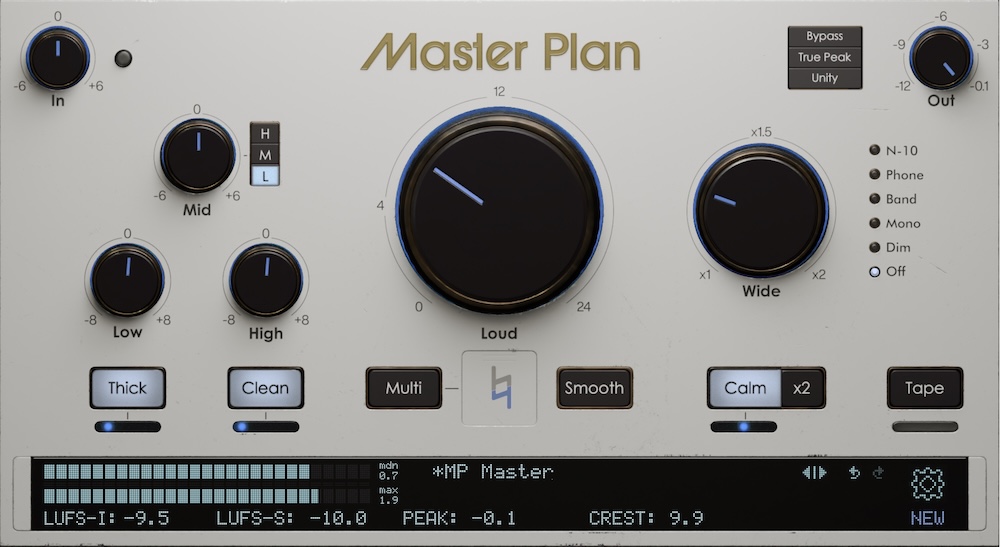
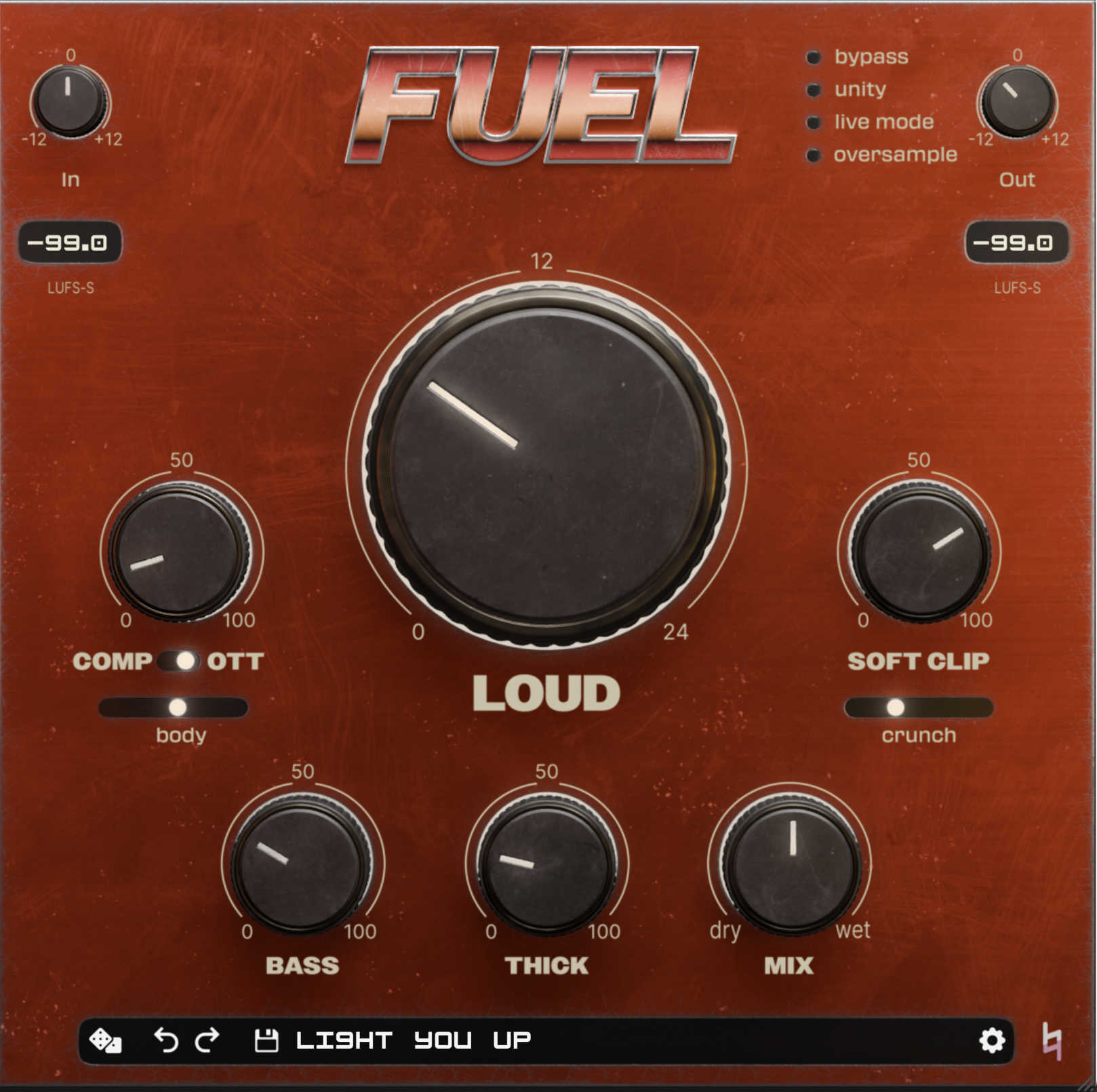
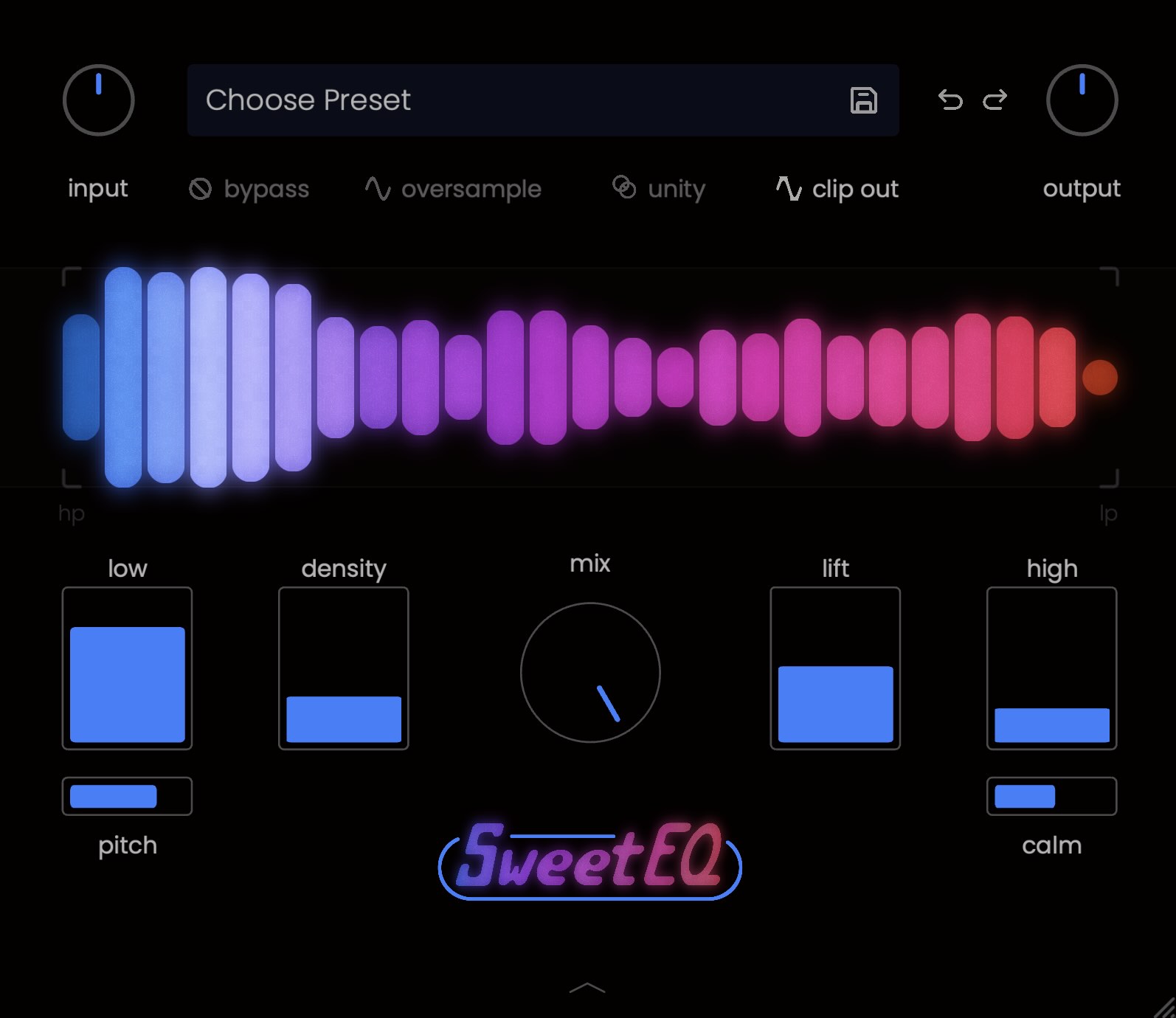
For some reason, though, the utility of limited controls doesn't seem to apply to people's expectations with digital tools. There is, if anything, a sense that plugin effects have to offer endless tweakability, parameters that 80% of users don't understand, and enough controls that they could double as a set piece in a sci-fi movie.
I don't buy it. Do we like that plugins can do things analog gear can't? Of course we do! Does that mean we have to reinvent the wheel? Hell no!
We are all, as far as I know, human beings. We can only make so many choices at a time. Decision paralysis is a real thing. Sometimes, a tool - a compressor, an EQ, a saturator, whatever - is just not the right one for the job. Fewer controls make it easier to figure that out and move on to the next one. Try your screwdriver until you realize all you have are nails, then switch to a hammer.
And you know what? Say what you will, but I kind of want my plugins to be as straightforward as a hammer, too.