


Here’s a hot take: there are basically three elements of a recording that, if nailed, will make the whole thing sound good. Ready for ‘em?
Number one is vocals. They’re what most people latch onto the quickest, where we get the “meaning” of the song most clearly. Vocals are important. Vocals have to sound good for a song to sound good. With me so far?
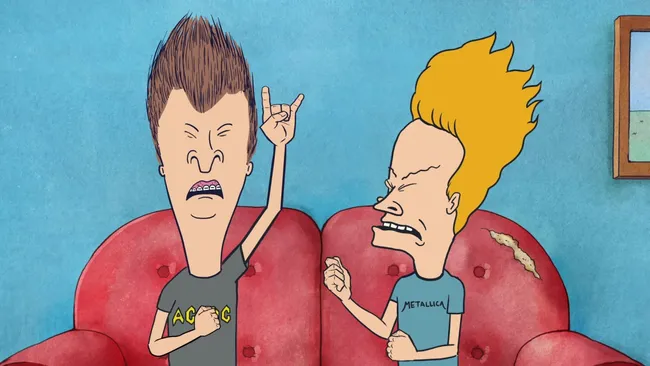
Number two is drums. Drums give us the groove, tell us how to feel the song. Are you supposed to dance? Nod along? Headbang like Beavis and Butthead when they actually like the video that's on? Drums are important. Drums also have to sound good.
Number three is the low end. Bass is the glue that holds everything together - it’s part of the rhythmic core, and we interpret melody and harmony in its context. Bass is also super important, and unfortunately, the hardest of the three to nail.
Getting bass “right” is especially tricky because “good bass” has to pass a few seemingly contradictory tests. Bass that rattles the windows of your car might disappear on phone speakers. Bass that sounds balanced on your airpods might sound cartoonish coming out of a bluetooth speaker.
What we’re talking about here is translation. I’ve had mixing students scoff at the idea that a mix needs to sound good coming out of a phone. Nobody’s listening to music from phone speakers anyway, right? So I ask them: do you watch videos on TikTok or Instagram?
Uh huh.
Ok, do you watch them with the sound on?
Yeah…
And in these videos, is there music?
Oh…
Here’s a reality check: millions of people are listening to music on phone speakers as you read this. For better or worse (mostly worse), that's how a whole lot of music is heard today.
So where does this leave us? Here’s a good news/bad news/good news takeaway. Good news #1: bass that translates well isn’t some unhappy compromise. It’s actually just better bass. The bad news? There isn’t a single magic bullet to get there. Bass is tough.
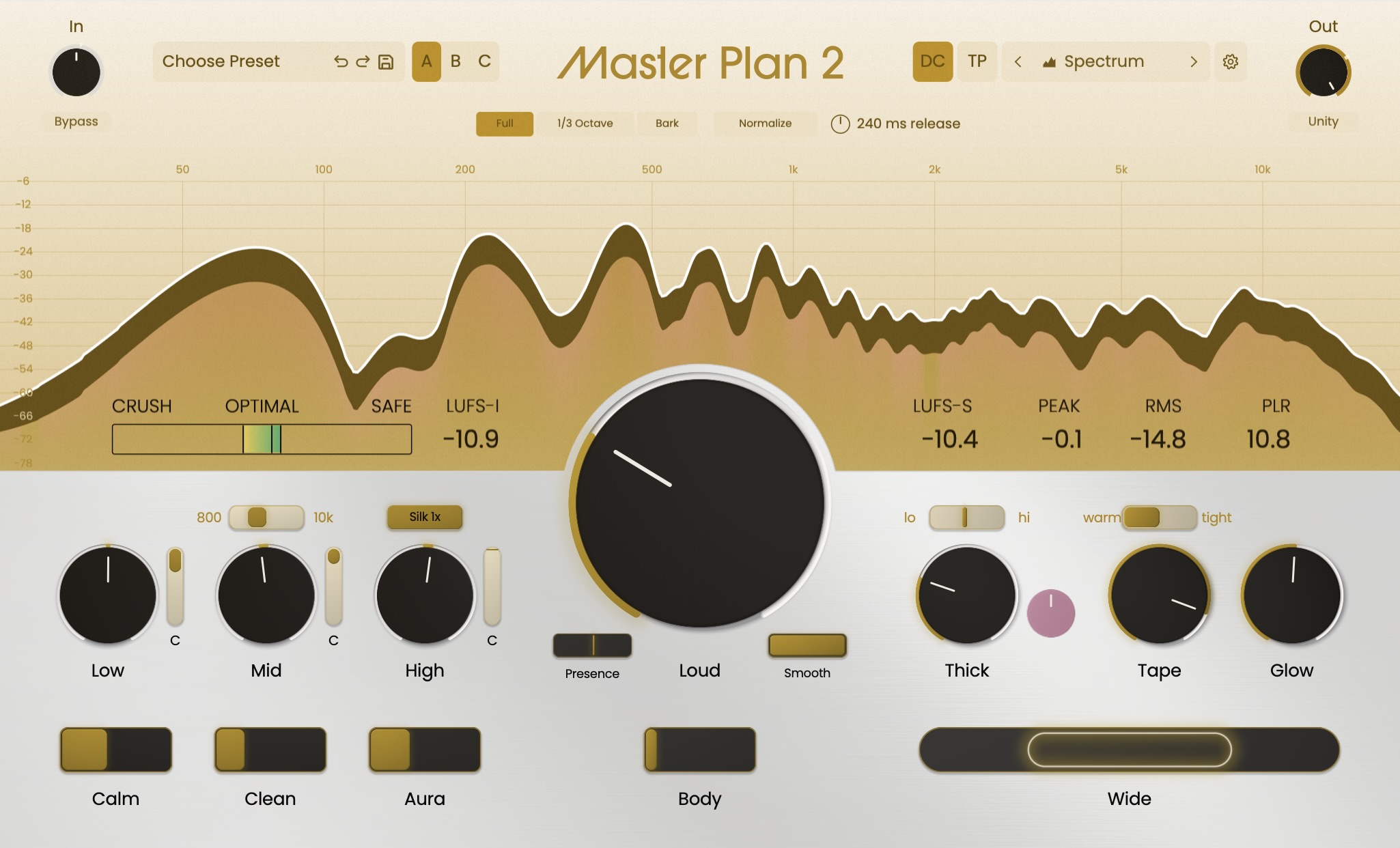
The last bit of good news: Master Plan has a couple tools that really help in the battle for better bass, one of them being Tape. That little button engages an emulation of tape saturation that runs on a spectrum between tight and warm. Push towards warm, and you’ll hear a pleasant softening of your mix. Push towards tight, and you’ll hear the bass fall in line.
The saturation you get with the slider at tight helps bass cut on smaller speakers without getting flubby on systems with big subs. I often use this setting at 100% tight, though your mileage may vary. For proof of concept, try the N-10 or Phone filters: you’ll hear bass that stays relevant even when the speakers aren’t doing it any favors.
I’m not going to pretend one button is all you’re missing from the bass of your dreams. A lot of getting low end right is learning to trust your monitors and hear seemingly subtle changes that actually make a big difference. That said, I always use Master Plan with Tape on, and I love what tight does to low end. Try it for yourself - I bet you’ll agree.