


I’m seeing it from a lot of places, but I think the biggest AI fear truly is in knowledge work like dev jobs and the like. In a way it feels like a new kind of industrialization where white collar jobs are now going to be reduced to machine/robotics lever pullers (WAY beyond our previous API duct tape past) and gutted all over the place. So while there’s anxiety everywhere, on the whole I think a lot of anxiety comes from people in this group, ironically the very people that opened Pandora's box.
The other large concerned group is artists, who I think have a lot less to fear. AI is not unleashing more creativity in people in general, or "improving art," either, no matter what Silicon Valley says. It's simply a new medium, and novel is always a proxy for "good" at first, when it's exclusive. But then it becomes universal, and then it's not novel. Eventually, this proxy for "good" fails. That's happening faster and faster (bye Sora). Maybe taste is gatekept, but that’s a social phenomenon, not technological, and unlikely to change. Taste (and fashionable ideas) are increaingly the only things left to signify "who's who" in public. That is to say nothing about what is “good,” just what is “fashionable.” That's also not the concern of artists. Artists insist on their own taste, their own ideas, their own creations. That's ultimately what makes them artists. Not their use of novelties or technology in and of itself.
Creativity is about the removal of inhibition, fear, social anxiety, doubt, about creating and sharing something authentically yours. While AI might help as a medium for expression for some people that did not have access to that medium before, this opening of the gates is also used by people to signify talent through things that were once authentically someone else’s, or by the insecure, to remove all trace of self from communication and creation as a crux for anxiety or lack of confidence. Pros and cons. People are people.
What I do think is that with AI and social media, our government and academic institutions have less control over knowledge than ever, cedeing that to the companies that control these platforms, and the huge amount of real people that flow through them. The "who's who" will have to more and more rapidly change what is fashionable to think or like to signify what it means to be “in” as mimicry and sharing become so easy. It's a noisy world when everybody wants to be the signal.
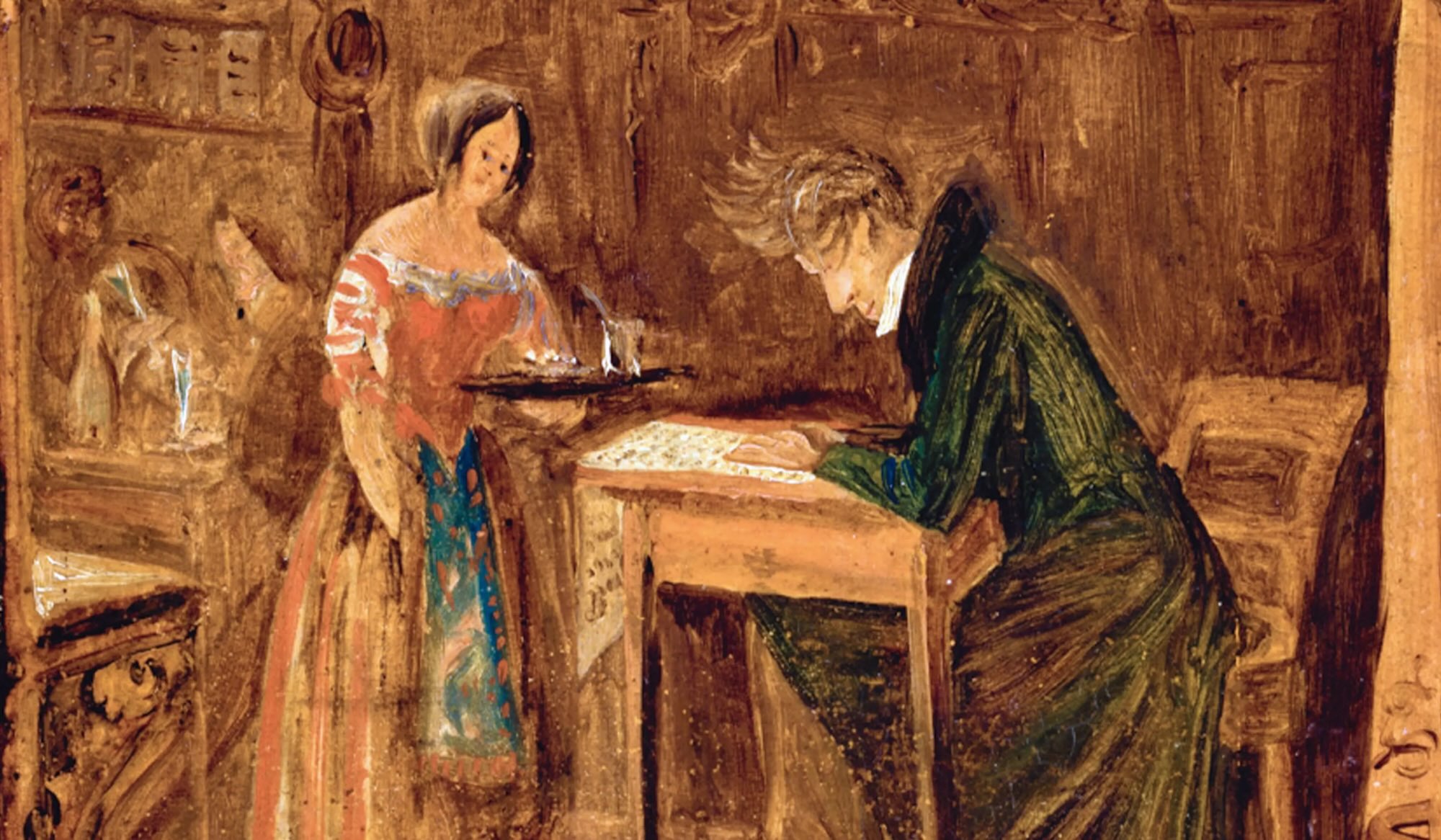
Here’s an excerpt from an essay by the galaxy-brain Kierkegaard from the 19th century, contrasting the past (king/emperor/feudal lord) and present (hive mind) of somebody devoted to thought but buried under the cacophony. It’s as perfect a lament today as it was then:
“Formerly the sovereign and the great each had their opinion and the rest were satisfied and decided enough to realize that they dared not or could not have an opinion. Now every one can have an opinion; but they have to band together numerically in order to have one. Twenty-five signatures make the most frightful stupidity into an opinion, and the considered opinion of a first-class mind is only a paradox.”
-Søren Kierkegaard
All that needs updating for the modern world is changing twenty-five to 10,000. Round and round we go…